The Verti-G Dryer, also known as the Vertical Cuttings Dryer, is core equipment within the drilling waste management system, alongside screw conveyors, decanter centrifuges, mono pumps, Graco high-pressure washers, filter press dewatering units and other associated equipment.
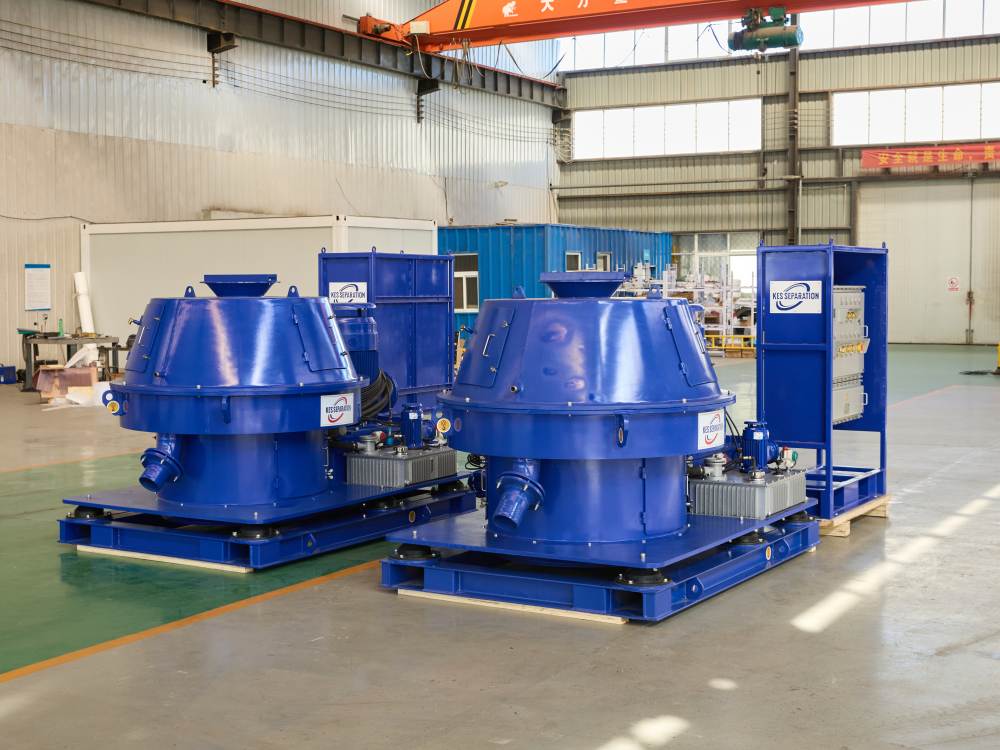
In September 2026, we completed manufacturing two high-spec Verti-G Dryers for a Nigerian client. This customer is a reputable solids control service provider based in Port Harcourt, Nigeria. We first met their Managing Director at the SAIPEC Oil Show back in February 2025. Following the exhibition, we maintained regular communication, discussing technical specifications and commercial terms on an ongoing basis. After approximately one and a half years of negotiations, the customer placed the order, marking the start of our valuable partnership. The delivery of the Vertical Cuttings Dryers to the client represents the starting point of our premium service support.
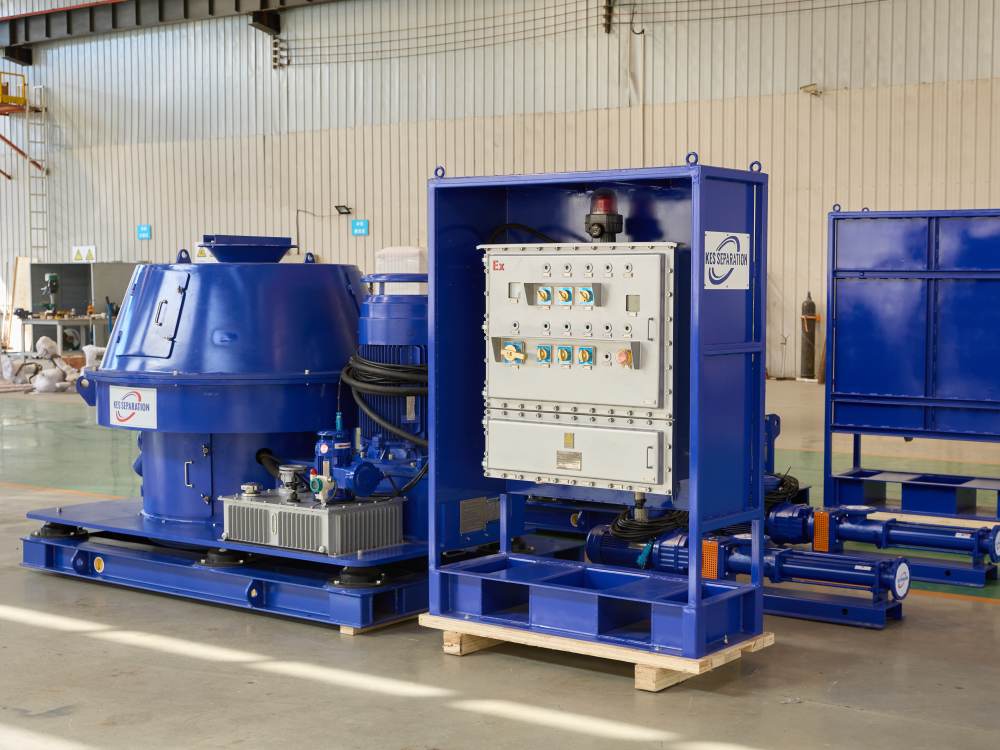
Major Components of the Vertical Cuttings Dryer
The main components of the Verti-G Dryer, from top to bottom, include: screen basket with screen, rotor assembly with flights, bell jar assembly, and power unit equipped with gearbox.
The unit generates high G-force up to 420 G by rotating the rotor at 900 RPM. A differential speed of 15.7 RPM between rotor flights and the screen is achieved via the heavy-duty gearbox. This high G-force drives oil-based mud through the screen openings, while rotor flights convey the dried cuttings downwards.
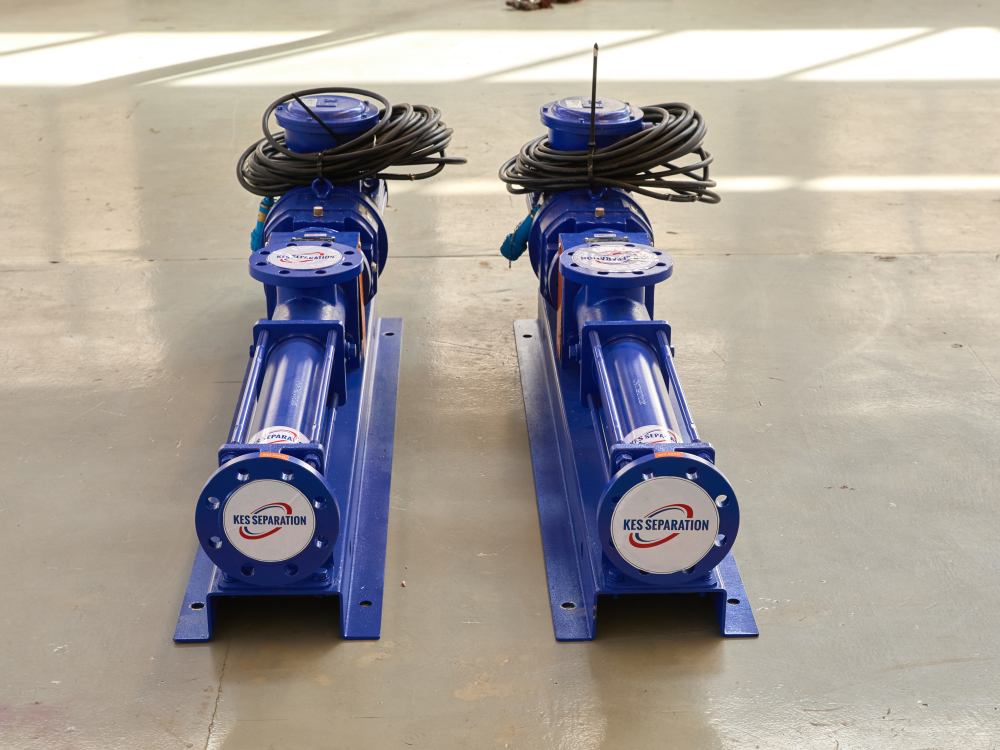
Vertical Cuttings dryer Wear‑Resistant Design & Material Selection
When drilling an oil & gas well, the drill bit first penetrates unconsolidated topsoil and loose sediments. Further down, it cuts through successive consolidated rock layers, such as mudstone, sandstone and limestone. Rock cuttings generated during drilling are continuously brought to the surface by drilling fluid. The Verti-G Vertical Cuttings Dryer is designed to separate base oil from these cuttings for drilling waste management.
When handling water-based mud, the Vertical-G Dryer requires flushing to prevent screen aperture blockage by readily dispersed bentonite. For this application, a larger screen aperture of 0.5mm ~ 1mm and a lower rotational speed of 700 ~ 750 RPM are preferred.
When processing oil-based mud with high sand content, a smaller screen aperture of 0.35mm~0.5mm is required, and the rotational speed can be set at 750~ 900RPM. Due to the high sand concentration, components in contact with OBM cuttings are subject to rapid wear, including the screen, screen support, rotor flights and bell jar assembly. Appropriate material selection for fabrication and design optimization leveraging field experience helps reduce wear rates, cut operating expenses and minimize maintenance labor.
| Item | Material for fabrication | Design Features | Use note |
| Screen with basket | Screen: stainless steel for longer service life. Basket frame: carbon steel as standard; stainless steel optional at extra cost. | KESS offers screens ranging from 0.25 mm to 1.0 mm (0.25/0.35/0.5/0.75/1.0 mm) to suit different operating conditions. | Balancing is critical to maintain proper operation of the screen and extend its service life. |
| Rotor with rotor flights | Rotor: Ductile Iron Q500 The flights made by High chromium alloy HRC48 | Rotor profile matches the outer contour of the bell jar for secure fixation. Rotor flights feature an inclined angle to minimize wear. | Balancing is critical for proper operation. When replacing flights, replace at least two to maintain balance. |
| Bell jar with scrappers | Bell jar made by Ductile Iron Q500 Bell Jar scrapper made by high chromium alloy | Bell jar profile encloses and protects the gearbox. The bell jar supports the screen basket and transfers rotational force to the screen basket. | The bell jar wears rapidly from sand impact. Erosion of the bell jar bracket will cause the screen to lose power and increase risk of damage by rotating rotor flights. |
Vertical Cuttings Dryer Model selection
KES Separation different size screen opening for different work conditions and application
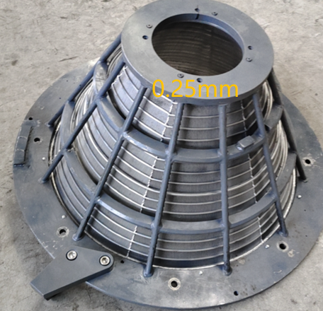 | 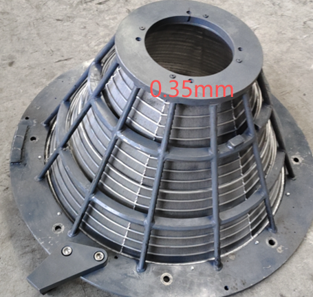 | 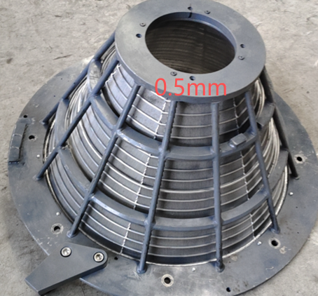 |
| Universal Drilling Fluids Cuttings Treatment Minimizes centrate Fines, But Lowers Solids Discharge Dryness. Best Utilized for Fine Cuttings. | Universal Drilling Fluids Cuttings Treatment Balances Centrate Fines and Discharge Dryness. Good Starter Screen for Average to Large Cuttings. | Universal Drilling Fluids Cuttings Treatment Balances Centrate Fines and Discharge Dryness. Best Starter Screen for Average to Large Cuttings. |
KESS Verti-G Dryer is equivalent to Elgin CSI-WM03 and CSI-WM04 vertical cuttings dryers. With similar design and performance, our unit comes at a much better price. Contact us for more information.
Explore our major vertical cuttings dryer case studies over the past 3 years.
Case study in July 2024: Solids Control Equipment Working in Nigeria RigSite: https://kesseparation.com/news/solids-control-equipment-working-in-nigeria-rigsite/
Case study in May 2025: Robust Design Vertical Cuttings Dryer Working at Swamp Rig Nigeria: https://kesseparation.com/news/robust-design-vertical-cuttings-dryer-working-at-swamp-rig-nigeria/
Case Study in Oct 2026: KES Separation Solids Control Equipment Working at SDM Offshore Nigeria: https://kesseparation.com/news/kes-separation-solids-control-equipment-working-at-sdm-offshore-nigeria/