With growing drilling activities in Gabon, demand for solids‑control and drilling‑waste‑management equipment is on the rise. Since last year, KES Separation have supplied multiple centrifuges to Gabon. During 1st week of August 2026, we visited Port‑Gentil, Gabon to deliver short‑term training covering the operation and maintenance of solids‑control decanter centrifuges.
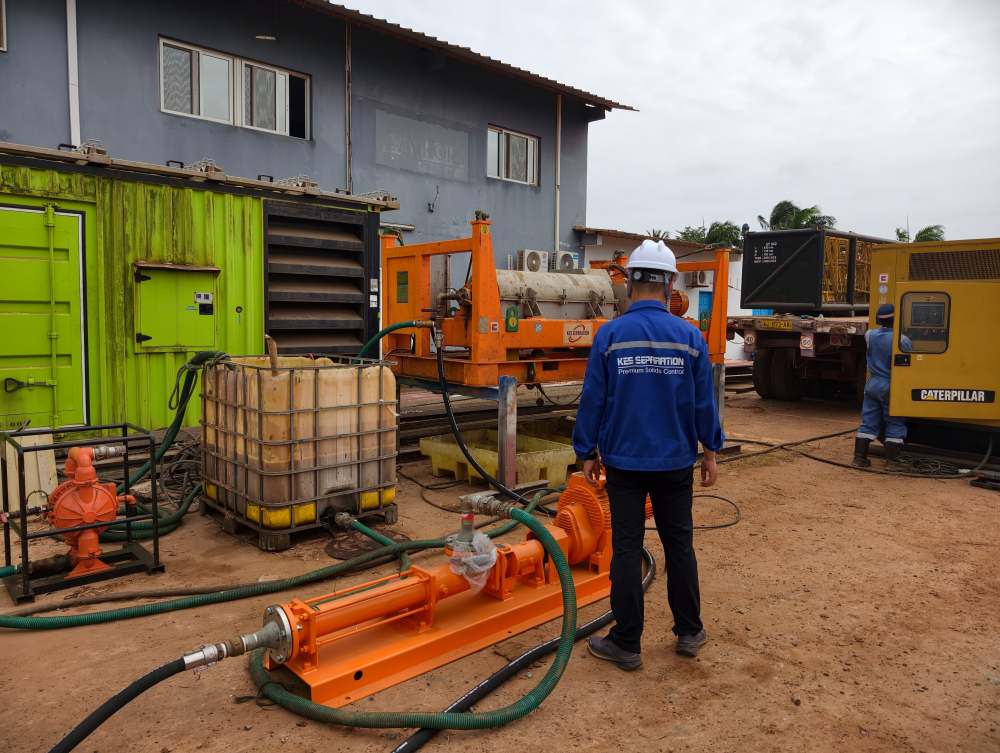
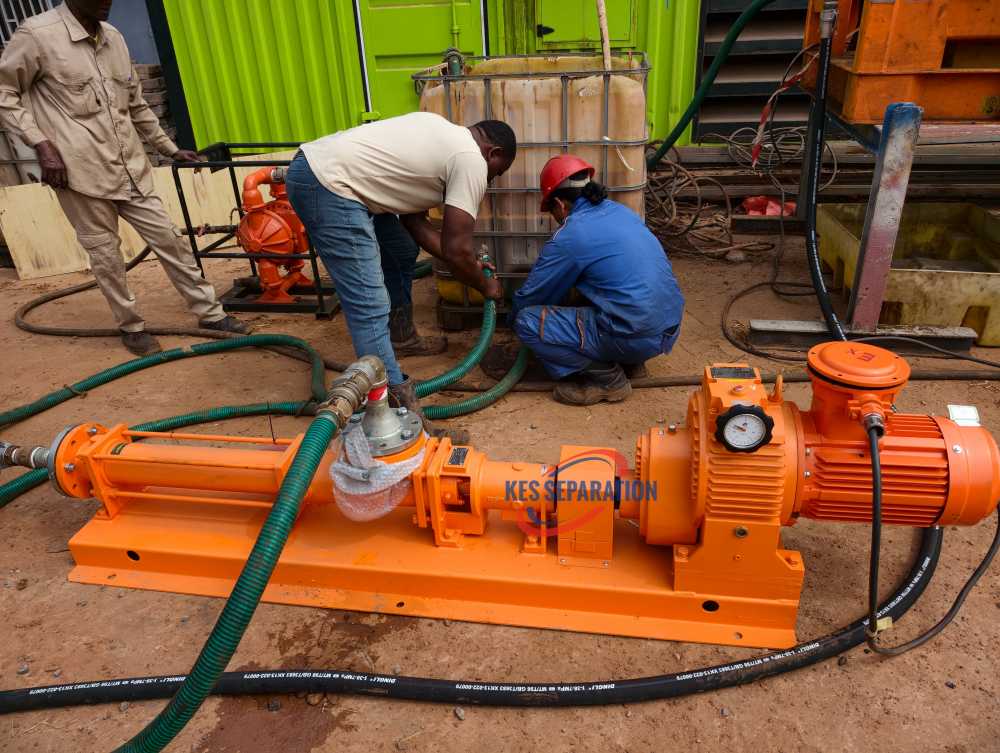
One‑Quick Checklist Prior to Mud Centrifuge Startup
- Open the bowl’s upper cover, then manually rotate the bowl and verify free rotation.
- Inspect grease within the bearing housing. Standard‑grade grease cannot provide adequate bearing lubrication. Due to high‑speed operation, high‑temperature‑resistant lithium‑based grease rated for a minimum of 150 °C is required. Recommended lubricants: Mobilux EP 2, SKF LGMT 2, Klüber CENTOPLEX 2 EP and Klüber GL 262 lithium‑based grease for centrifuge bearing lubrication.
- Power supply: Operators shall verify motor voltage and frequency to confirm correct power input. Typical ratings are 380 V / 50 Hz or 460 V / 60 Hz.
- Mud feed system: Operators must select a suitable feed pump. Mono‑type progressive cavity pumps are recommended; they deliver steady, pulse‑free constant‑pressure feed to the centrifuge. Centrifugal pumps and pneumatic pumps shall not be used for centrifuge feeding. These pump types will disrupt the settled mud layer on the bowl inner wall and degrade separation performance.
- Double‑check all hoses connections along the mud‑feed path from mud source, through the feed pump, to the centrifuge before startup.
- Once all power‑cable and mud‑hose connections are completed, test motor rotation to confirm correct rotational direction. After verifying rotation direction, start the centrifuge first, then engage mud feeding.
- For full decanter‑centrifuge operating procedures, contact your KES Separation sales representative to obtain the detailed operation manual.
Close-loop cycle of drilling waste management
Except for the training on centrifuge operation, we also gave a presentation on the close-loop cycle of drilling waste management start from Shale shaker discharge in the meeting room of client.
- Closed‑loop drilling waste management begins at the shale shaker discharge point. OBM drilling cuttings exiting the shale shaker are collected by screw conveyors fitted underneath the shaker discharge chute. This screw conveyor is referred to as the primary auger.
- The primary auger transfers OBM drilling cuttings to the inclined secondary auger, which runs from the discharge outlet of the primary auger to the feed inlet of the vertical cuttings dryer.
- Inside the vertical cuttings dryer, OBM drilling cuttings are processed and separated into two streams: recovered OBM and dry cuttings.
- Dry cuttings will be collected by mud skips or big cuttings tanks for temporarily storage and the storage cuttings will be delivered to the thermal desorption unit for final treatment. The recovered OBM is sent to a high‑speed centrifuge for further solids reduction, before being pumped back into the active solids‑control system. This completes the closed‑loop drilling waste management process.
Key Equipment for Closed‑Loop Drilling Waste Management
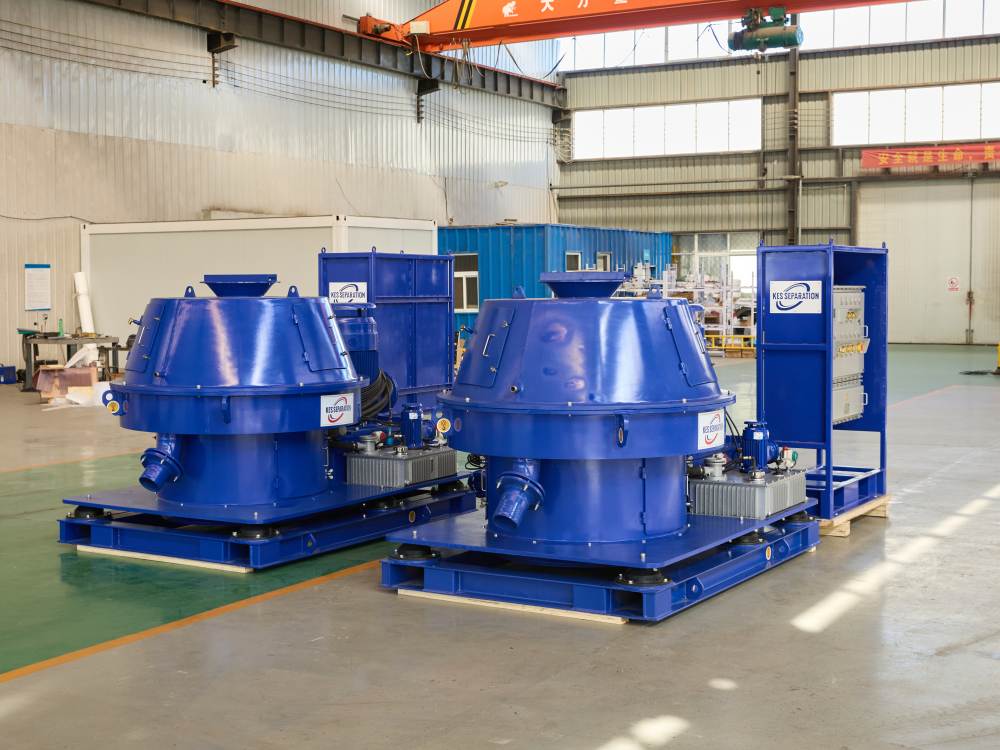
- Vertical Cuttings Dryer
Also known as VG or Verti‑G, the vertical cuttings dryer is a vertical‑type centrifuge that generates high G‑force to separate solids from liquids. It consists of three major assemblies: the VG screen with flow path scrapers, VG rotor with flights and VG bell jar fitted with scrapers. All three assemblies act as wear‑prone components, subject to abrasion driven by sand content within the incoming OBM drilling cuttings. When procuring a VG dryer, stocking critical spare parts is essential for urgent on‑site replacement.
- Screw Conveyor
Screw conveyors serve as transfer equipment for OBM drilling cuttings. Rigid, heavy‑duty construction is mandatory for drilling waste‑treatment service. Malfunctioning screw conveyors will disrupt high‑efficiency operation and result in reduced drilling rates.
- Mud Skips
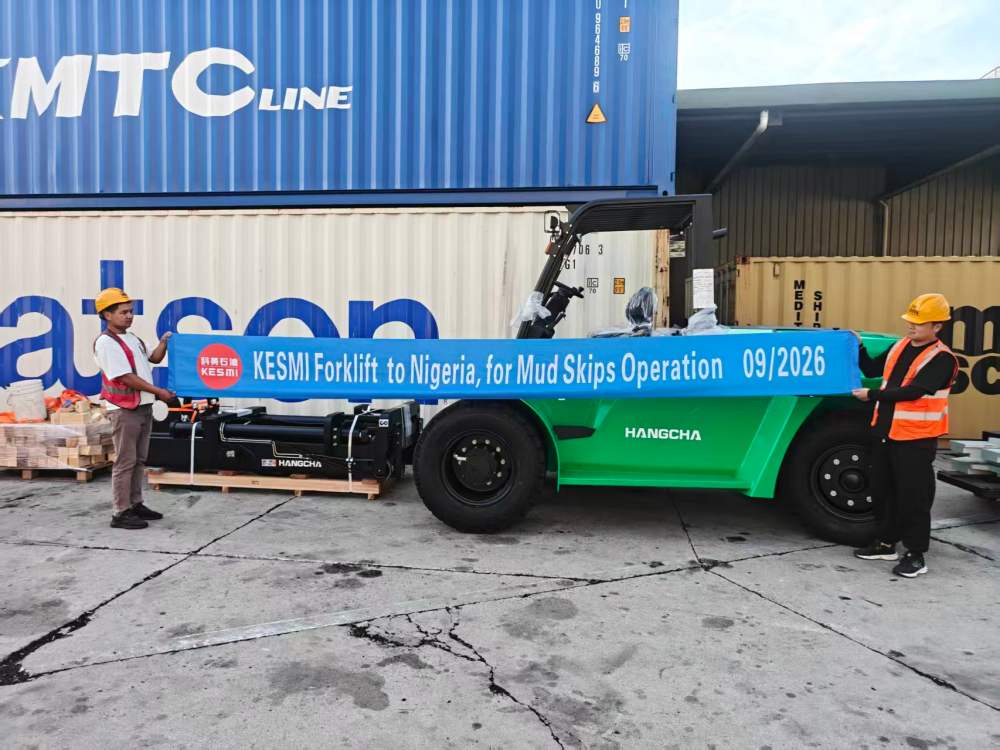
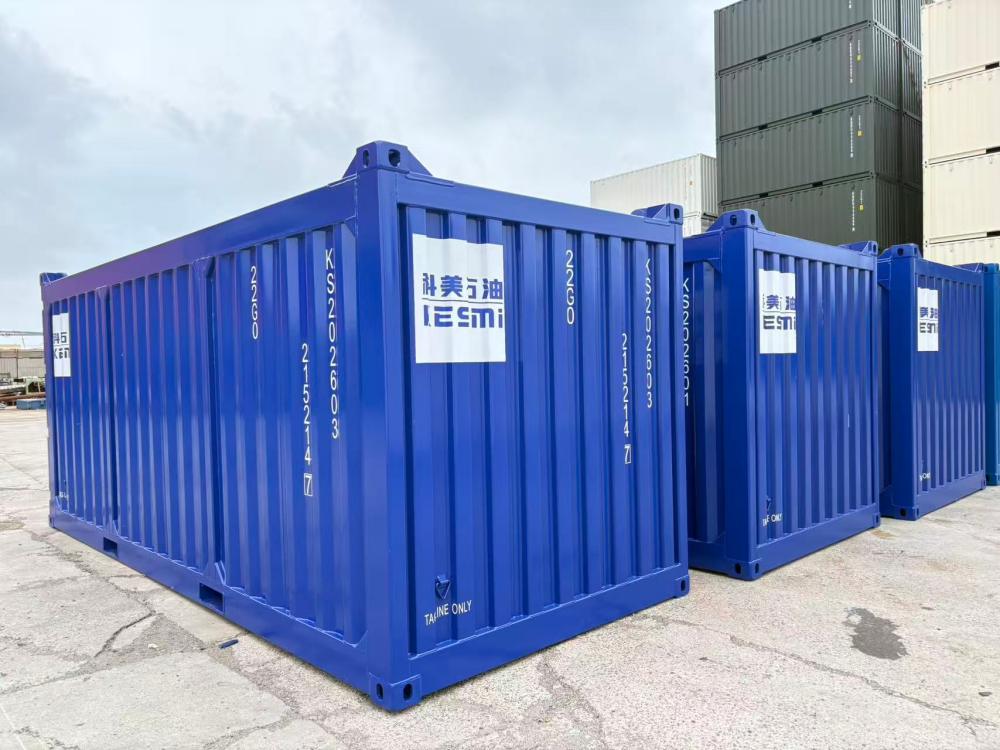
Mud skips are required for storing dry cuttings generated from VG dryers, mud cleaners and centrifuges. For on‑shore drilling applications, mud skips face less stringent standards and certification requirements. For offshore operations, DNV 2.7‑1 certified mud skips are compulsory. With more than 10 years of experience as a professional manufacturer and supplier, KESMI Oilfield provides high‑quality DNV 2.7‑1 certified mud skips and large‑capacity cuttings tanks.
- Thermal Desorption Unit (TDU)
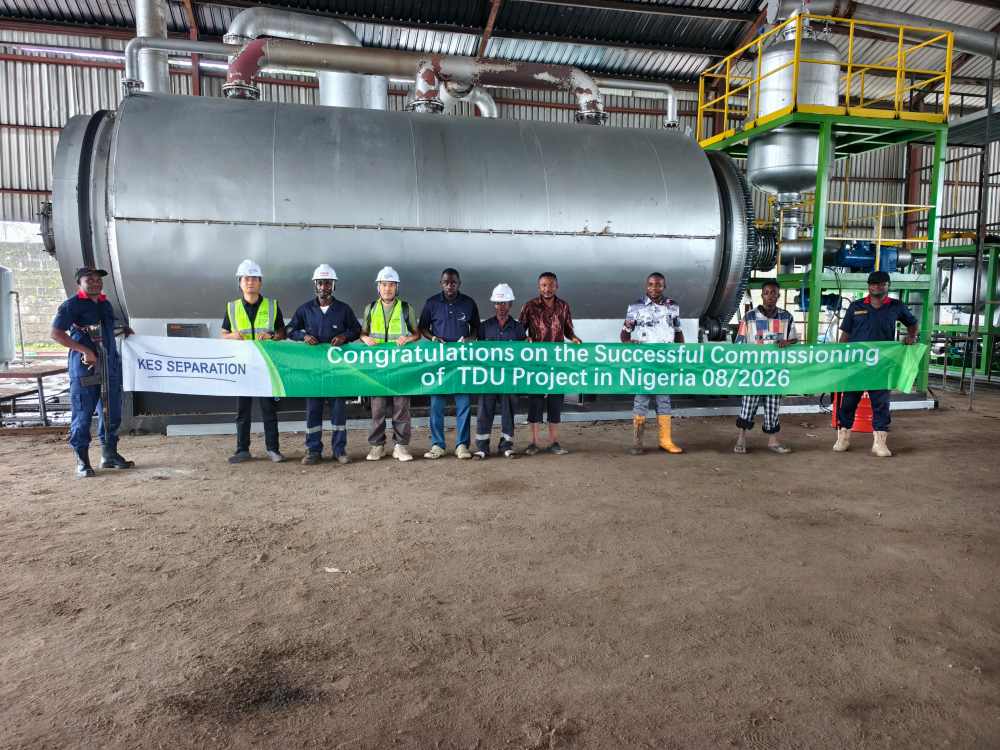
The thermal desorption unit represents the final‑stage treatment for OBM drilling cuttings. A TDU comprises heating modules, water‑cooling & condensation assemblies, flue‑gas treatment units and other sub‑systems. It heats OBM cuttings down to ash with residual oil content below 1%. Recovered oil can be recycled and reused to formulate fresh oil‑based drilling mud. KES Separation has delivered multiple TDU units to customers across Africa and the Middle East. Available capacities range from 10 TPD to 50 TPD; both batch‑type and continuous‑type TDU solutions are offered.
Check the working videos of KES Separation TDU in Africa
All this key equipment works together to achieve efficient closed‑loop treatment of OBM drilling cuttings. Reliable performance depends heavily on standardized operation and wear‑part maintenance. KES Separation stands ready to offer tailored solutions, field service and spare‑parts supply for your drilling waste‑management projects.